Case study
BTS THE COMEBACK LIVE | ARIRANG
Ross Williams’ lighting direction and key-light operation for the 2026 global Netflix comeback show staged at Gwanghwamun Square in Seoul.
Project details
- Project
- BTS THE COMEBACK LIVE | ARIRANG
- Location
- Gwanghwamun Square, Seoul, South Korea
- Production type
- Live concert / global broadcast special
- Broadcast platform
- Netflix
- Director
- Hamish Hamilton
- Production company
- Done + Dusted
- Executive Producers
- Guy Carrington, Garrett English and Kevin Hermanson
- Label / Management
- BIGHIT MUSIC and HYBE
- Production Designer
- Florian Andreas Wieder
- Lighting Designers
- Al Gurdon and Harry Forster
- Ross’s role
- Lighting Director / Key-Light Operator
- Lighting Programmers
- Alex Passmore, Alex Sylvester and Alex Mildenhall
- Console
- Hog Series 5, integrated within a shared control system alongside MA3 hardware
- Follow spots
- 21 remotely controlled follow spots, supported by custom SpotCall cue-sheet and show-note workflow
Key contribution
Ross led the key lighting for BTS throughout the live comeback show, ensuring the band remained camera-ready, visually consistent and performance-led within a complex city-centre production. His work supported a high-pressure global broadcast environment where precision, speed and reliability were essential.
Project overview
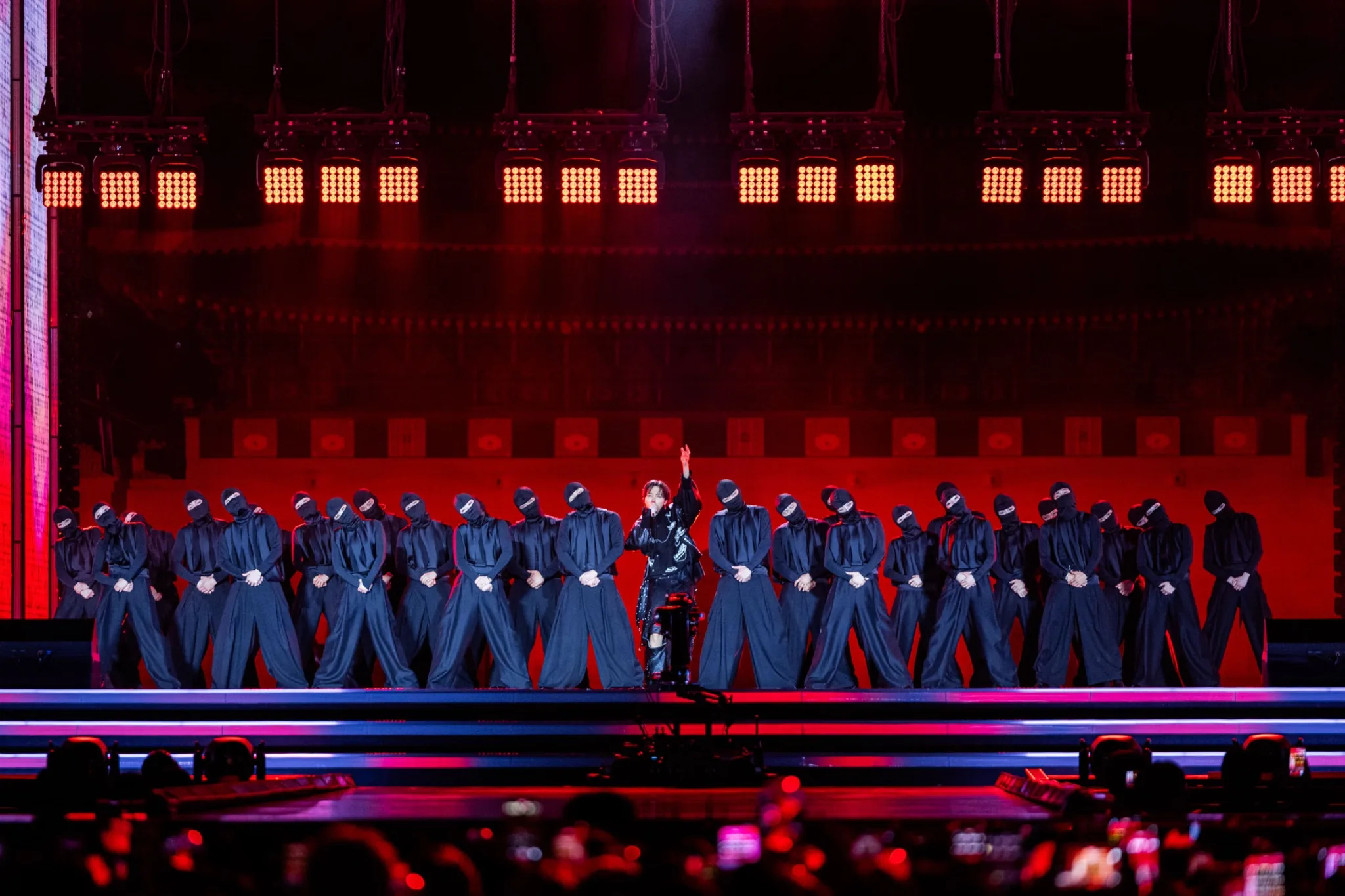
BTS THE COMEBACK LIVE | ARIRANG was one of the most high-profile live music events of 2026: a major comeback performance from one of the world’s biggest pop groups, staged in the heart of Seoul and broadcast globally on Netflix.
Held at Gwanghwamun Square, the show marked BTS’s return as a full group and carried the pressure of both a live audience and a vast international broadcast audience. The production combined concert performance, large-scale broadcast direction, cultural symbolism and city-centre spectacle, creating a technically demanding environment where every lighting cue needed to work for the band, the cameras and the wider visual world of the show.
Ross’s role on the production
Ross Williams worked as Key-Light Operator and Lighting Director, responsible for lighting BTS throughout the performance. Working under Lighting Designers Al Gurdon and Harry Forster, Ross’s role focused on keeping the band beautifully and consistently lit across a fast-moving live show, balancing the needs of camera coverage, stage composition, choreography and the immense scale of the surrounding production.
The wider lighting programming team included Alex Passmore and Alex Sylvester on site, with Alex Mildenhall programming off site. Ross spent several days in band rehearsals before transferring to the city-centre stage location for the final programming and rehearsal period. Once on site, the team had to refine the show under intense time pressure, integrating the lighting with camera direction, playback, scenic design, audience moments and the demands of a global live stream.
Console workflow and technical delivery
This production was also an important console milestone for Ross, marking the first time he used the latest Hog Series 5 consoles in a major live production environment. Ross operated on a Hog system which was merged into a shared control environment with the other programmers working on MA3 hardware. The setup allowed the team to manage a large and complex lighting system while maintaining the speed, precision and flexibility needed for a live broadcast of this scale.
Technical challenges
The key-lighting brief required consistent camera exposure across a fast-moving performance, while the surrounding architecture, scenic lighting, audience energy and city-centre scale all remained part of the live picture. Ross’s work had to keep the band clean and readable for close-up coverage without flattening the wider visual language of the show.
The shared control environment also demanded clear division of responsibility between key lighting, programmed looks and wider effects. Working with Hog Series 5 alongside MA3 hardware meant the team could preserve speed and flexibility while maintaining repeatable broadcast cueing for a one-time global stream.
A further challenge was follow-spot coordination. The show used 21 remotely controlled follow spots operated by a team of non-English-speaking operators, so cue clarity and translation-resistant notation were critical. To support this workflow, Ross wrote a custom app called SpotCall to organise spot information and produce detailed cue sheets and show notes; the app is available to download from the Apps page.
With BTS returning to the stage after years away, the atmosphere around the show was intense. Every moment carried huge expectation from fans, the production team and the global broadcast audience. For Ross, the challenge was to deliver clean, reliable and expressive key lighting for the band in a high-pressure live environment where there was no margin for error.
Outcome
The result was a landmark comeback show: a city-centre concert, a global Netflix live event and one of the defining pop productions of the year.
Planning a similar production?
Contact Ross Williams for availability and to discuss lighting programming, broadcast lighting control, key lighting and selected lighting director roles.
Contact Ross