Case study
Too Hot To Handle
Ross Williams’ lighting work across Netflix’s global reality series, from lighting programmer on Series 1 to lighting director for Series 2–7, helping shape luxury villa environments for camera while preserving the natural beauty of the island locations.
Project details
- Project
- Too Hot To Handle
- Locations
- Caribbean island filming locations, luxury villa properties, beaches, secondary locations, private jet terminal and offshore yacht settings
- Production type
- Netflix reality series / fixed-rig and non-fixed-rig location filming
- Executive Producer
- Viki Kolar
- Lighting Designer
- Gurdip Mahal
- Lighting Director
- Ross Williams
- Director of Photography
- Ben Hughes
- Production Designers
- Patrick Watson / Mathew Weekes
- Production Company
- Thames / Fremantle
- Key elements
- Luxury villa lighting, architectural lighting integration, hidden temporary infrastructure, pool lighting, garden and exterior treatments, non-fixed-rig camera coverage, remote island logistics and multi-department collaboration
Key contribution
Ross Williams has been closely involved with Netflix’s hugely successful Too Hot To Handle since its first series, initially joining as lighting programmer before becoming lighting director for Series 2–7.
Working in collaboration with series lighting designer Gurdip Mahal, Ross helped develop and deliver the lighting approach for a format that depends on the villa environment feeling aspirational, relaxed and authentic on camera. After Series 1, when Gurdip no longer attended the shoot location, Ross took on responsibility for the on-site lighting design work, translating the agreed design approach into practical, camera-ready solutions across multiple international filming locations.
This required close collaboration with DOP Ben Hughes, particularly for the non-fixed-rig content, ensuring that the lighting supported both the cinematic beauty of the locations and the fast-moving demands of reality production.
Project overview
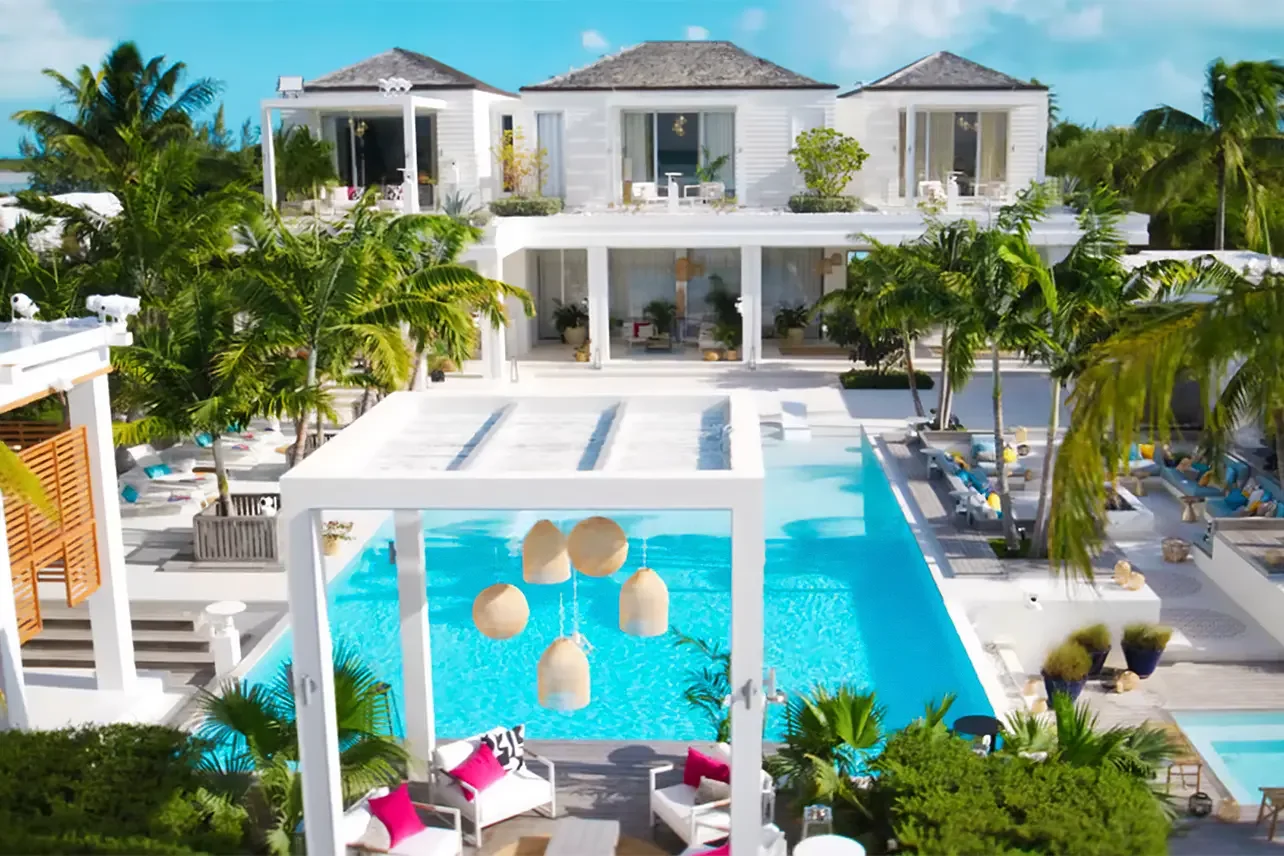
Too Hot To Handle presented a very different type of lighting challenge from a traditional studio, event or entertainment show.
The series needed to make already impressive luxury properties look even more polished and high-end on camera, while still allowing contestants to relax naturally into their environment. The lighting could not feel like an obvious studio rig, either to the cast living inside the villas or to viewers watching at home. The locations had to retain the feeling of sun, sea, architecture and natural island beauty, with the lighting quietly enhancing the world rather than dominating it.
At the same time, the production needed reliable, flexible and camera-friendly lighting across fixed-rig areas, exterior spaces, bedrooms, bathrooms, lounges, pools, gardens, beaches and secondary filming locations. The result had to feel effortless on screen, despite the considerable technical planning behind it.
Lighting design approach
Ross worked with Gurdip Mahal on the overall lighting design and the equipment specification required to ship halfway across the world to the Caribbean filming locations. Every choice had to account for distance, reliability, installation time, location sensitivity and the practical limitations of working inside privately owned luxury properties.
Once on site, Ross developed the lighting design in detail around the reality of each location. Rather than building a visible studio-style rig, much of the lighting became part of the architecture itself. Ceilings, mirror surrounds, garden features, pool areas and scenic details all became opportunities to conceal sources, shape faces and enhance the property for camera.
This approach allowed the villas to feel naturally lit while still giving production the control needed for broadcast-quality images throughout the day and night. The design had to support glamorous hero shots, intimate conversations, reactive reality moments and more stylised scenes, all without interrupting the contestants’ sense of being in a real luxury environment.
Collaboration with camera, art and production design
A major part of Ross’s role was collaborative problem-solving.
Working closely with DOP Ben Hughes, Ross helped shape lighting for the non-fixed-rig content, balancing the needs of handheld and directed camera work with the established look of the fixed-rig environment. The lighting had to be consistent enough for the series’ visual identity, but adaptable enough for fast-moving unscripted filming.
Ross also worked extensively with the production set and art design teams, led by Patrick Watson and Mathew Weekes across respective seasons. Many lighting solutions required physical integration into the set build. False walls, floors and ceilings were constructed to hide temporary cabling and equipment, allowing the lighting infrastructure to disappear into the property.
For one season, an entire full-size beach-view garden room was built as a temporary structure. It needed to look and feel as though it had always belonged to the villa, while still supporting the lighting, camera and production requirements of the show. This kind of work required lighting, art department, construction, camera and production teams to operate as one joined-up unit.
Technical challenges
The main challenge was to transform luxury island properties into heightened, camera-ready environments without making them feel artificial.
The production could not simply install a conventional rig. Equipment had to be discreet, safe, weather-conscious and respectful of the properties and gardens. Temporary lighting and cabling had to be installed without causing extensive damage, and every visual decision had to work both for contestants living in the space and for viewers seeing the finished programme.
Even apparently simple additions, such as temporary pool lighting, brought technical and creative challenges. These required careful coordination between lighting, production, location owners, safety teams and other departments to achieve the desired look without compromising the property or the shoot.
Beyond the main villas, each series included additional filming locations that required their own planning and treatment. These included beaches, secondary properties, an offshore superyacht and a private jet terminal beside a live runway. Each setting demanded a different balance of logistics, safety, camera coverage and visual polish.
A location-based lighting role
For Ross, Too Hot To Handle became a long-running example of lighting direction built around trust, collaboration and adaptability.
The work required him to honour the original design language developed with Gurdip Mahal, while also taking responsibility for the daily on-site decisions needed to make that design succeed in complex real-world environments. It also required close creative relationships with camera, production design, art department, construction, locations and production management.
The result was a lighting approach that helped define the series’ polished, aspirational look: luxurious, natural, discreet and camera-ready, while remaining sensitive to the practical realities of filming inside remarkable private island properties.
Planning a similar production?
Contact Ross Williams for availability and to discuss lighting design, location lighting direction, fixed-rig television lighting or international production planning.
Contact Ross