Blog · Entertainment Lighting
The Moving Light Programmer
Updated: May 1, 2018
“What does a moving light programmer do, and what skills or qualifications do I need do I become one?”
When discussing the role of a moving light programmer, sometimes called a moving light operator, I tend to think first about the various sections of the lighting industry where moving lights are used, as the job description can be somewhat varied within each discipline. Those I have some experience of personally, and therefore consider worthy of mentioning here are: Theatre, Concert Touring, Television and Film.
Theatre
Essentially the duty of a moving light programmer is to record the required data into the memory lighting console. The lighting designer and or assistant designer will specify which lights they wish to perform which tasks, and the relevant cue information such as fade times and paths to be used. In some circumstances, the lighting designer will dictate the precise button pushes to be performed word by word. In others, more general descriptive instructions will be made with the programmer determining the methods of data entry to be used.
The moving light programmer will typically be responsible for setting up and maintaining the console layout and console soft patch, along with any programming aids, with the view of speeding up the workflow for the lighting designer. They will often manage and or design the control network and infrastructure, and will likely be required to record all programming notes alongside the assistant or production electrician.
Concert Touring
Here the programmer could fall into two or more categories. In one scenario, the moving light programmer assists the lighting designer in realising the design. There will often be far more input from the programmer creatively, and the designer would typically manage the overall direction of the programming in terms of styles, moods and effects used.
In some cases this can mean reproducing the show with entirely different fixtures and or consoles, if the equipment is not being shipped around the world with the tour. The role as lighting designer/programmer includes everything above, however they may or may not tour with the production.
Television
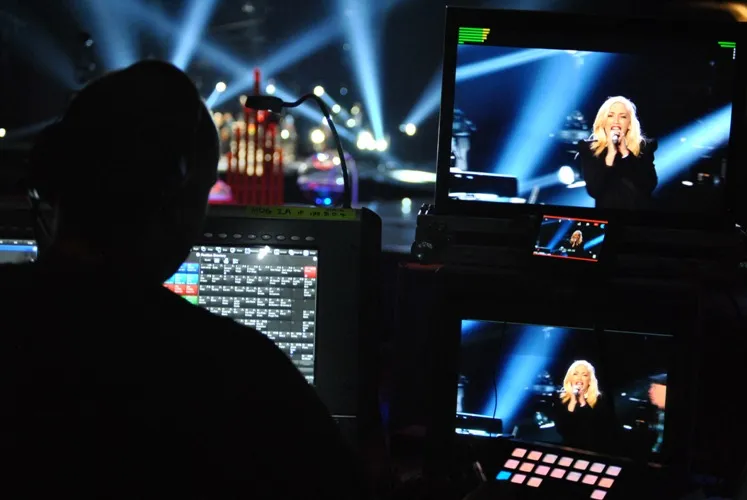
The moving light programmer typically has a larger creative input on television shows. Designers rely heavily on good programmers to assist them by looking after the moving light side of things, allowing them to concentrate on other areas. Additional responsibilities can include drawing the lighting plan, designing the control network and infrastructure, managing integrations with graphics houses and effects companies, and operating digital media servers.
Film
With film the programmer is under the strict instruction of the lighting designer, in this world called the director of photography. The role involves creating the looks as required, and documenting them shot by shot for retakes and continuity.
Qualifications
It is not necessary to have any formal qualifications to make a successful career programming moving lights. Skills include safe electrical working, automated lighting fixtures and controllers, protocols such as DMX and ArtNet, computers and networking, visualisers, CAD, video signals, editing and codecs, music, photography, organisation, documentation and team leadership.
Consoles
There are now many consoles and media servers available, each with their own merits and drawbacks. I believe it’s important to try a few and work out what you feel comfortable with. I think specialising in more than a handful is a mistake. There is no substitute for hands-on experience.
My World
In television, moving light rental has fallen tremendously and rehearsal and setup times have reduced dramatically. The programmer has to be quick, organised and confident. Preparation is everything.
The Industry
Most manufacturers, sales and rental houses offer training, support and canvas opinions from the industry for future developments. It’s such a small industry, you really can help shape the way the products are developed and make a difference.
Employment
The moving light programmer finds employment from lighting designers, rental houses and other programmers. Work is cyclical, and delivering consistently high standards as a team pays dividends in the long run.
Further Reading
There are plenty of resources available both on and offline for those interested, including Rob Halliday, Brad Schiller, Wayne Howell, David Ripley and Martin Kempton.
Disclaimer
All views expressed here are my own and are based on my own personal experience. They may not broadly represent the topics covered, and should be taken as one of many views available only.