Technical Notes · Lighting Programming Workflow
Data Storage – The Responsibility of a Programmer?
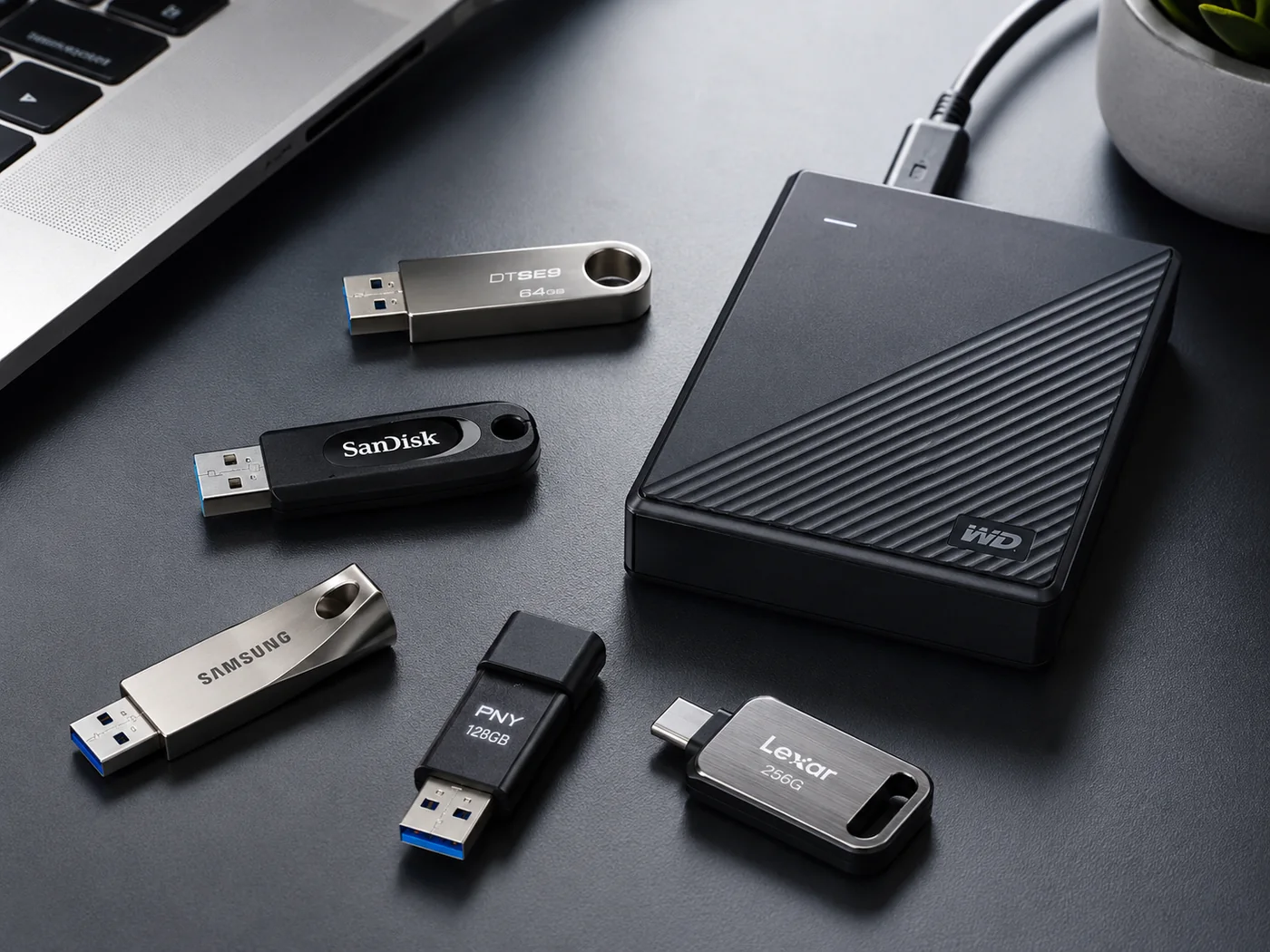
One thing I have always been slightly paranoid about is losing data. Losing work, losing show files, and having to rebuild something from scratch is never a good position to be in, especially when there simply is not time to do it properly. Data loss can and does happen from time to time, often through no direct fault of your own, but it is still an uncomfortable place to find yourself.
I learned the value of saving and archiving everything very early on in my programming career. I once spent a whole week programming a corporate one-off event and, because it was a successful one-off job, I did not keep a backup copy of the show file afterwards. Imagine my horror a year later when I was booked on the same project again, with exactly the same lighting design, and had to start from scratch and rebuild everything.
That show was my wake-up call. Ever since then, I have meticulously archived everything, even the most unlikely pilot shows. You never know when you might need a copy of a bespoke fixture library, or when you might want to lift some MIDI triggers, cue structures or gameplay elements from one project and reuse them on another.
Who is responsible for the data?
Who is actually responsible for keeping that data safe? In most cases, my contract states that all show-generated material belongs to the end client. In reality, however, it is often simply expected to be there, ready and waiting for series two, with little or no thought given to who has looked after it or how it has been stored.
I cannot imagine it going down too well with a client if I suggested that we needed another few full days of rehearsal to recreate complicated gameplay programming for a returning series because I no longer had the show data from the previous year.
Backups are only part of the system
My own system certainly is not perfect. With data storage, the 3-2-1 rule should ideally be followed: three copies of your data, on two different types of storage, with one copy kept off-site. In truth, I am sometimes guilty of not following that as strictly as I should.
I am also pretty bad at keeping show notes. I often find myself trying to remember exactly how a show worked: who triggered what, which cues were played back manually, and at what cue points, especially when a recurring show comes back several months or even years after the previous one. Without the saved show file, I would be completely lost. At least with the file in front of me, there is a structure to work from, even if I still have to work out what I did last time and what my cue descriptions actually refer to.
Save everything
So what advice can I offer? No matter who is contractually obliged to keep copies, save everything. Save it more than once, and store it in more than one place. You never know when you will need it again, but you will certainly be glad you have it when you do.